
Minimum order $150 — Pay with Bitcoin and get 10% OFF
Free Shipping over $500
24/7 Support

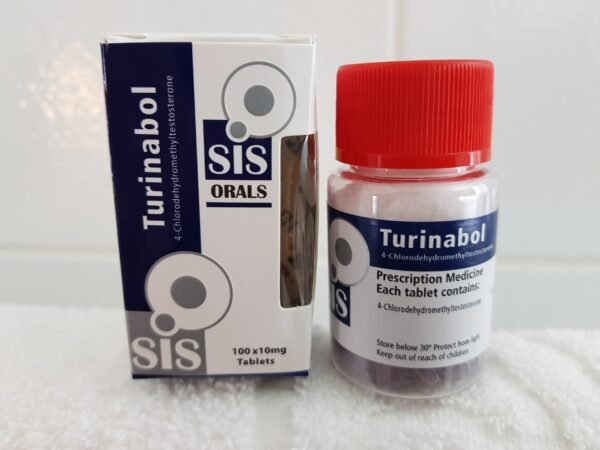
$40.00
Turinabol, scientifically known as chlorodehydromethyltestosterone, is a synthetic anabolic-androgenic steroid originally developed for medical research purposes. It is an oral compound structurally derived from testosterone and was first introduced in the 1960s.
Unlike many injectable anabolic steroids, Turinabol is taken orally and was designed to reduce androgenic activity while maintaining anabolic properties. Over time, it became widely known due to its association with historical sports doping programs.
Turinabol or Chlorodehydromethyltestosterone gained global attention through its documented use in the East German state-sponsored doping program during the Cold War era. Athletes were administered the substance—often without informed consent—in an effort to enhance performance at international competitions.
These revelations played a significant role in shaping modern anti-doping regulations and increased scrutiny around performance-enhancing drugs in sports.
At a molecular level, Chlorodehydromethyltestosterone interacts with androgen receptors in the body, influencing protein synthesis and nitrogen retention. These mechanisms explain why anabolic steroids affect muscle tissue, though they also impact other physiological systems.
It is important to note that these interactions are not selective and can lead to systemic effects beyond muscle development.
Scientific and medical literature associates Turinabol Steroid with a range of potential adverse effects, including:
Liver toxicity due to oral administration
Hormonal imbalance and testosterone suppression
Cardiovascular strain
Changes in cholesterol levels
Psychological and mood disturbances
Long-term or unsupervised exposure may increase the likelihood of serious health complications.
Today, Turinabol is primarily discussed in academic, medical, and anti-doping contexts. Its history serves as a case study in sports ethics, drug regulation, and the long-term health consequences of performance-enhancing substances.
Understanding compounds like Turinabol from an educational standpoint helps promote informed decision-making and awareness of health and legal risks.
Turinabol remains a significant topic in discussions about anabolic steroids due to its historical impact and ongoing relevance in sports regulation. While often referenced online, it is crucial to approach the subject with accurate, research-based information and an understanding of the potential consequences.
Turinabol, also known as chlorodehydromethyltestosterone, is classified as an oral anabolic-androgenic steroid derived from testosterone. The compound was modified chemically to reduce certain androgenic effects while maintaining anabolic activity.
One of the defining features of Turinabol is its chlorinated structure, which prevents the conversion of the compound into estrogen through aromatization. This chemical characteristic differentiates Turinabol from some other anabolic steroids that may cause estrogen-related effects.
Because Turinabol is taken orally, it is processed through the liver before entering systemic circulation. This route of administration is one of the reasons medical researchers emphasize caution when discussing compounds of this class.
Today, Turinabol is strictly prohibited in competitive sports and is included on the banned substance list of the World Anti-Doping Agency.
Advanced testing methods developed by anti-doping laboratories are capable of detecting even very small traces of chlorodehydromethyltestosterone metabolites in the body. These detection techniques have led to numerous historical cases being re-examined years after competitions took place.
Because of its historical use in organized doping programs, Turinabol is frequently cited in discussions about ethics, athlete safety, and the development of modern anti-doping science.
The legal status of Turinabol varies depending on national laws and pharmaceutical regulations. In many countries, compounds classified as anabolic steroids are regulated substances that require medical authorization or are prohibited outside specific research contexts.
Unauthorized possession, distribution, or use may violate drug control regulations. For this reason, individuals should always verify local legislation and rely on official medical or legal sources when researching substances such as Turinabol.
Information about compounds like Turinabol should be based on credible medical and scientific sources rather than unverified online claims. Reliable references include:
Peer-reviewed scientific journals
Government health agencies
Academic research publications
Anti-doping regulatory organizations
Educational awareness helps individuals understand the historical context, scientific mechanisms, and potential health consequences associated with anabolic steroids.
Reviews
There are no reviews yet.